Multi-Tenant Cloud Dev Platform

ORLIGON

The multi-tenant successor to Divinegon—every tenant gets a hardware-isolated dev machine with private git hosting, verified releases, AI dev consoles, and a native desktop launcher

TypeScript Fastify PostgreSQL Firecracker Rust Tauri
Scroll

The Vision

Orligon takes a personal dev command center and turns it into a publicly deployable SaaS—one product fusing build, release, and distribution with an AI dev workspace.

Each tenant signs up and gets their own machine: a Firecracker microVM with its own kernel and filesystem, running a private git server, a build pipeline, and persistent tmux-backed consoles where Claude Code sessions do real work. A shared control plane orchestrates the fleet—waking machines on demand and proxying every byte through authenticated channels.

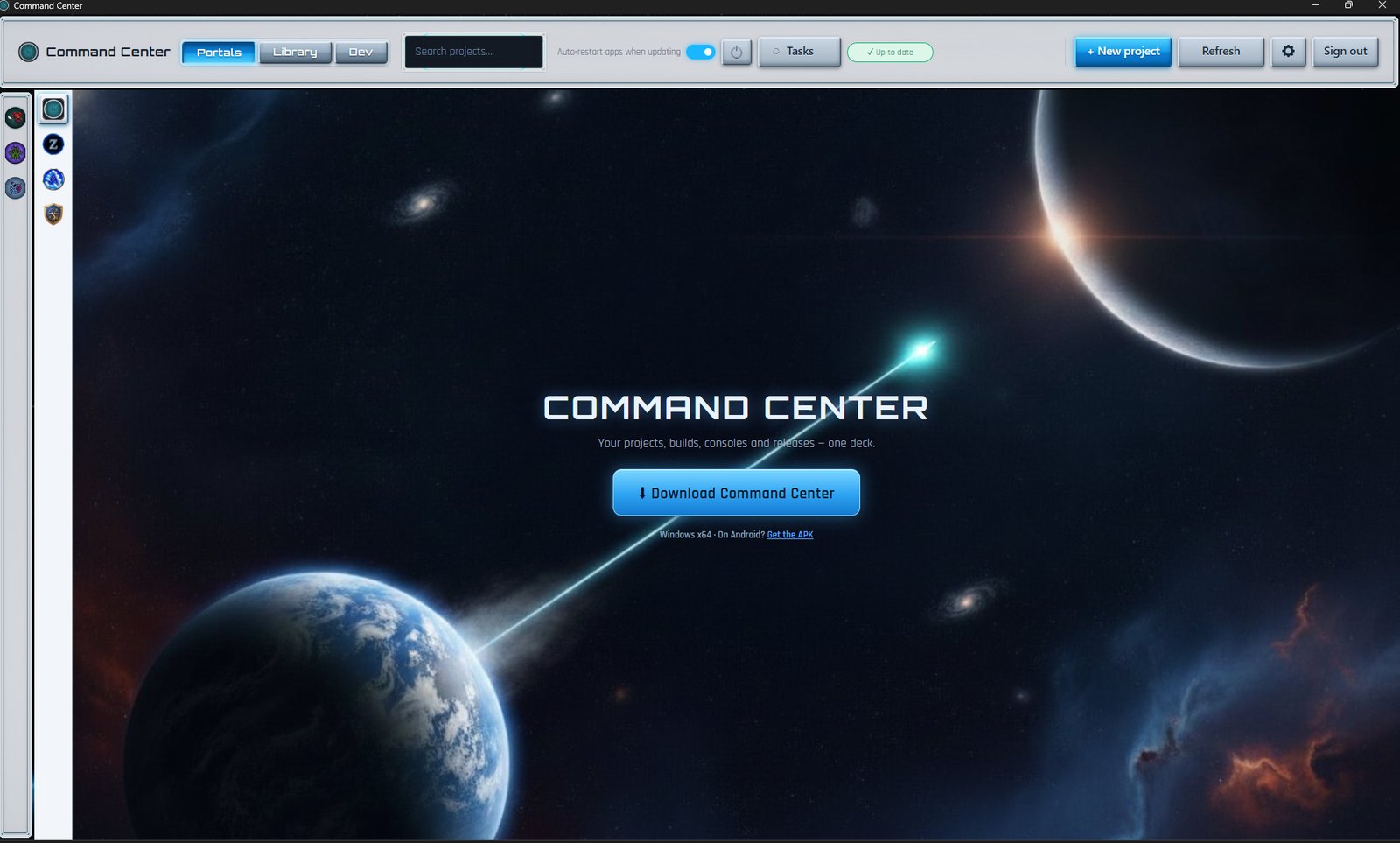
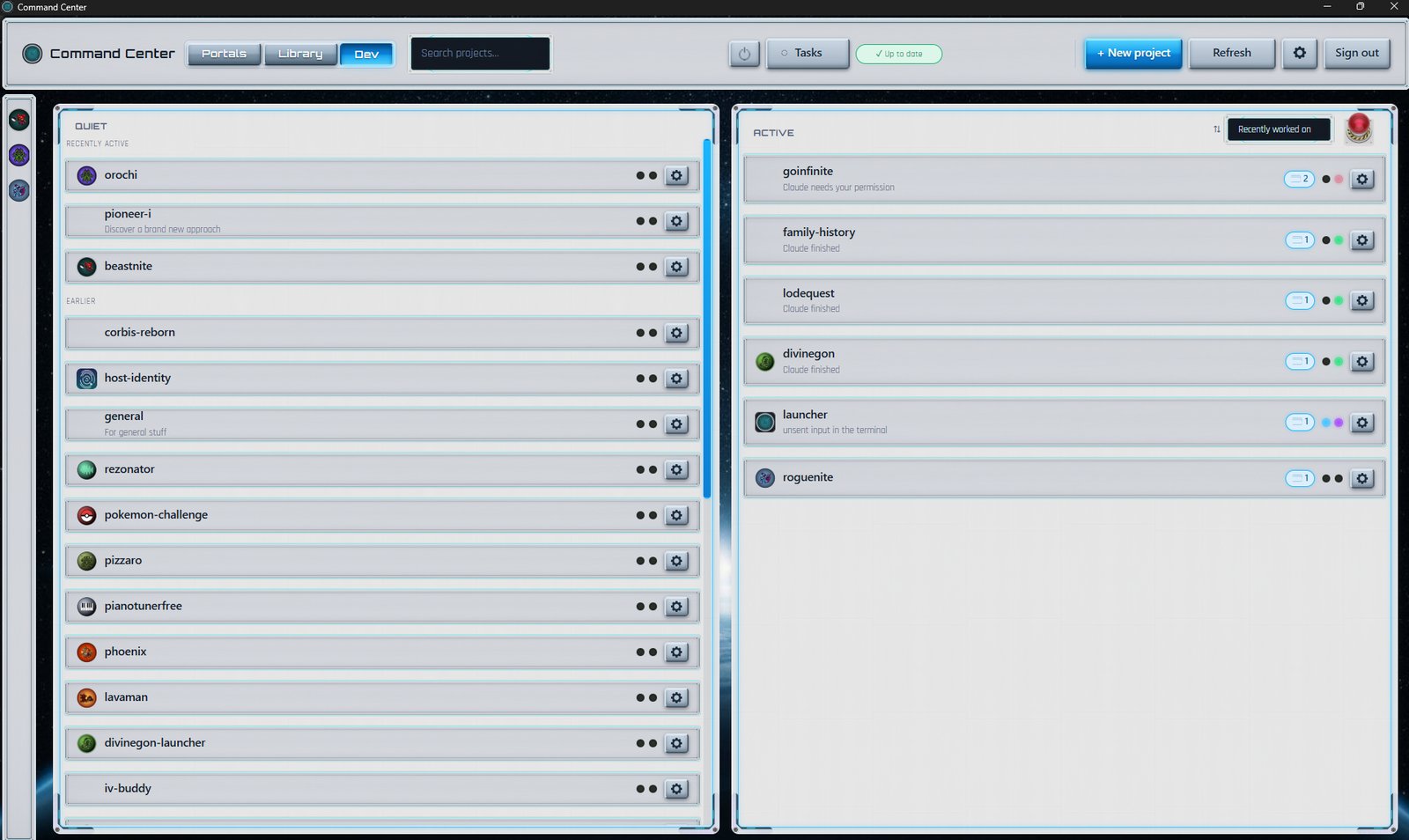
A native desktop launcher closes the loop: install and run released executables (SHA-256 verified), open live terminals into your dev machine, and watch per-session status lights tell you when the AI needs you.
microVM Hardware Isolation Per Tenant
SHA-256 Verified Releases
1 Control Plane, Whole Fleet

System Architecture

A shared control plane, a hardware-isolated machine per tenant, and a desktop launcher that ties it all together.

Control Plane

  • Fastify + TypeScript API
  • PostgreSQL with per-tenant scoping
  • Orchestrates Firecracker microVMs
  • Wakes sleeping machines on demand
  • Session cookie + bearer token auth

Tenant Machines

  • One microVM per tenant
  • In-VM agent: git, builds, consoles
  • Private git smart-HTTP hosting
  • tmux-backed shells that survive
  • Claude Code sessions with status

Desktop Launcher

  • Tauri 2 + React + Rust
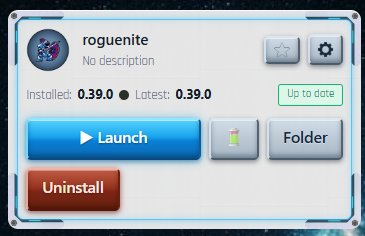
  • Installs & runs verified releases
  • Embedded terminals + split panes
  • Self-updating release channel
  • Windows builds cross-compiled on Linux

Key Features

Hardware-Isolated Tenancy

Tenants don't share a container runtime—each gets a Firecracker microVM with its own kernel, filesystem, and resources. The in-VM agent is reachable only from the control plane, and every request into a machine carries an agent key that never leaves the server side.

Machines sleep when idle and wake on demand, so a fleet of personal dev servers stays affordable.

tenant 203 → wake microVM
  kernel   own
  disk     own
  agent    key-authenticated
  network  control plane only

Push-to-Release Pipeline

Every tenant machine hosts bare git repos over smart-HTTP. A push triggers the build queue; successful builds publish releases with server-computed SHA-256 checksums, distributed through the control plane's public download endpoints.

The launcher refuses to run a binary whose checksum doesn't match—if a single byte is off, it never executes.

Private Git Hosting
Build-on-Push
SHA-256 Checksums

AI Dev Command Center

Every project gets terminal sessions backed by tmux inside the tenant's machine—close the launcher, lose WiFi, redeploy the server, and the shell (and the Claude Code session running in it) is exactly where you left it.

Status lights track each session: green when Claude finishes its turn, red when it's waiting on your answer—with native desktop notifications the moment either happens.

tmux-Backed Shells
Live Status Lights
Desktop Notifications

The Desktop Launcher

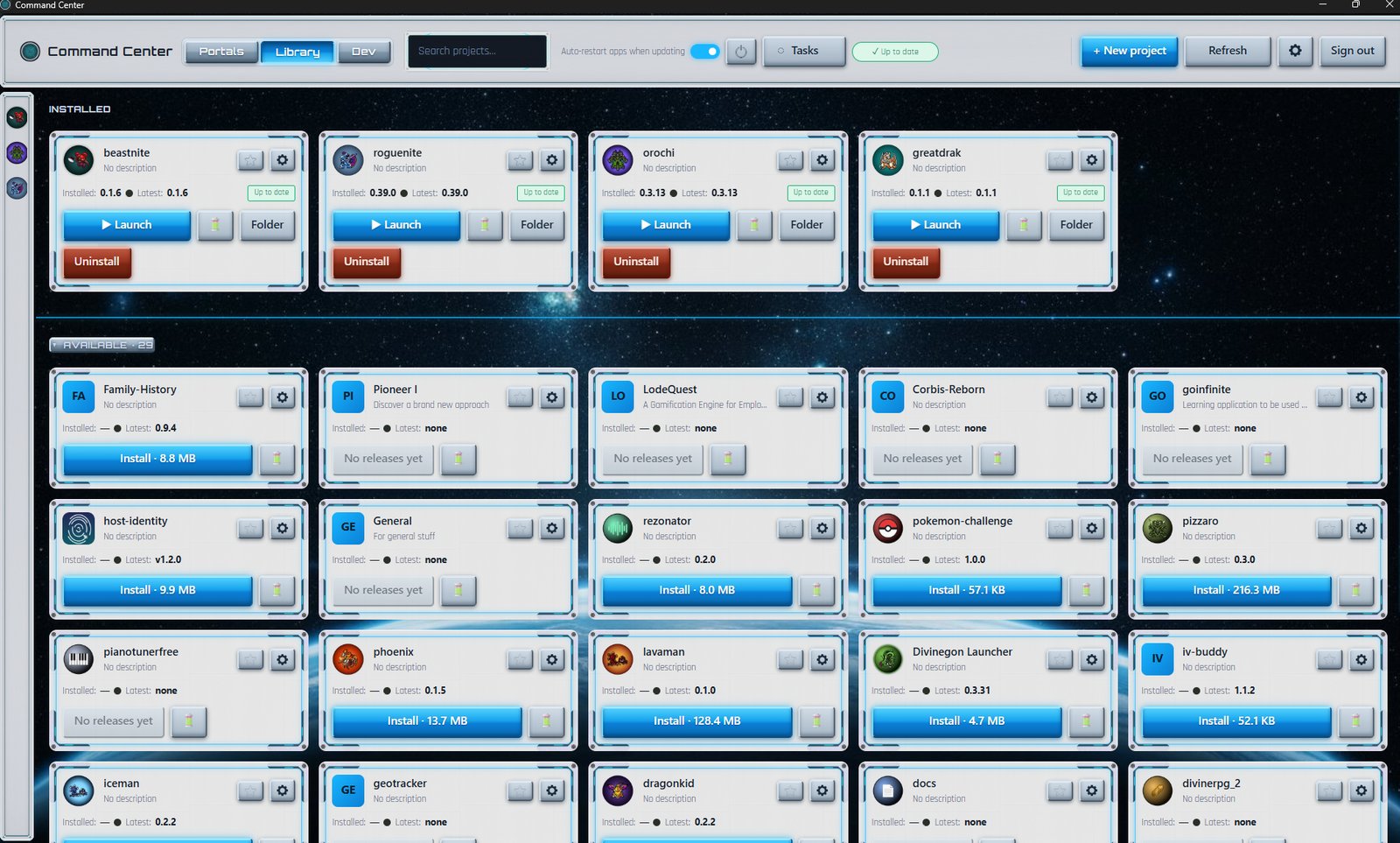
A native Tauri + Rust + React app is the front door: project library with one-click install and launch, embedded dev terminals with split panes and asset management, per-project settings, and AI-generated project icons.

It updates itself through its own release channel, and its Windows builds are cross-compiled on the Linux server—no Windows machine anywhere in the pipeline.

GET /dl/orligon/launcher
    /releases/latest

→ orligon-launcher.exe
→ sha256 verified  ✓
→ self-update complete